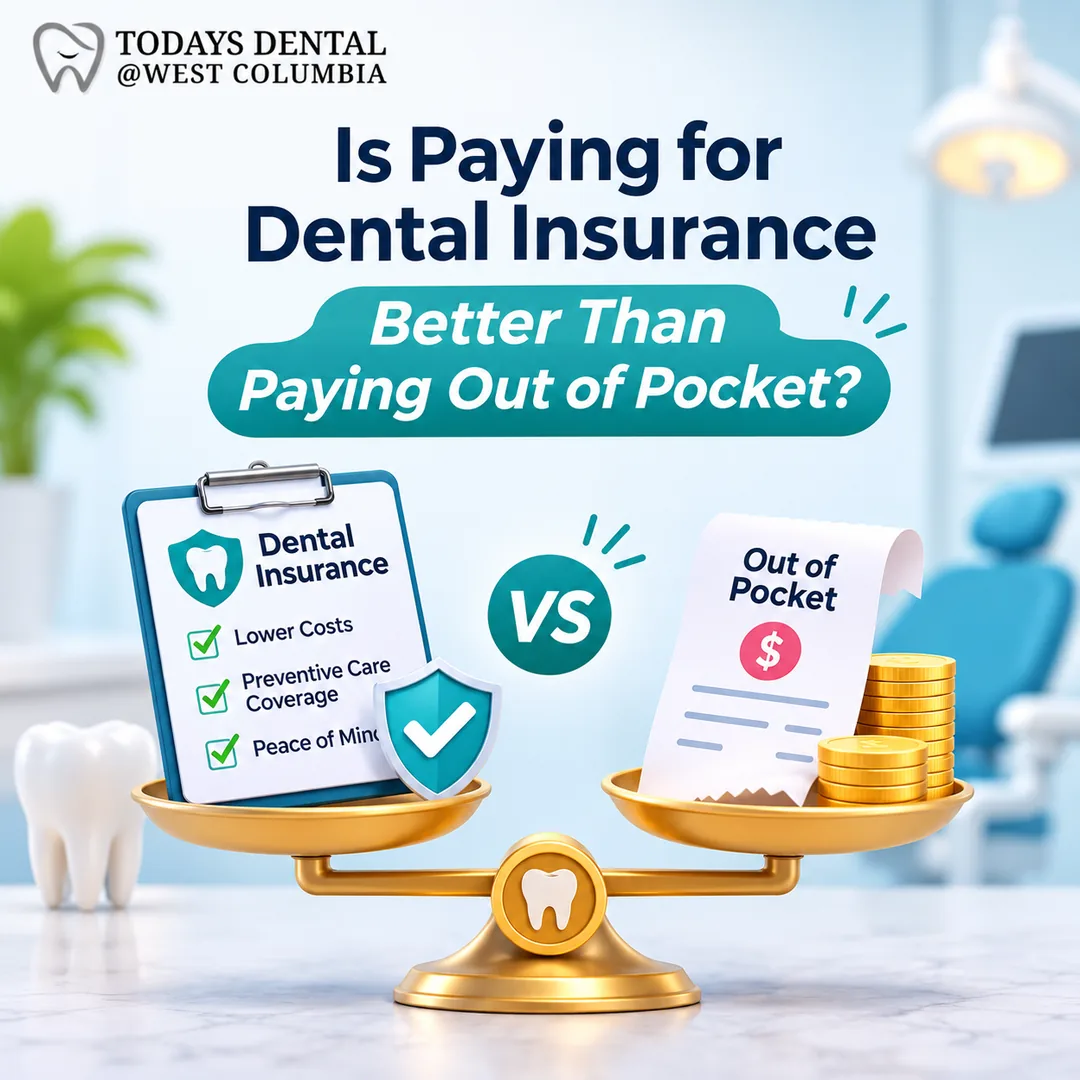
Many people stare at a dental bill and wonder if insurance would have been smarter. They worry about surprise costs for fillings, crowns, or root canals. They ask if paying out of pocket will save money or cause regret. This dilemma hits hard when a checkup leads to big news.
One clear fact helps. Dental insurance often covers routine cleanings and checkups, cutting out-of-pocket costs for preventive care.
Dental insurance and paying out of pocket present two different financial paths. Each option has its pros and cons, impacting how people manage their dental expenses.
Most people buy dental insurance to lower routine care costs. Plans often cover checkups and cleanings with no out-of-pocket expenses for preventive care. Policies list premiums, copays, coinsurance, and coverage limits on major dental procedures.
Insurance benefits can cut treatment costs for fillings, crowns, and root canals, but patients may still pay some out-of-pocket expenses for services not fully covered. Experts note insurance premiums sometimes exceed actual dental expenses for patients with optimal oral health.
Some patients pick a dental savings plan for discounts and greater flexibility. These plans offer reduced fees and users can sign up independently of other health plans. Unexpected dental expenses still pose a risk, so people use health savings accounts and financial planning to buffer costs.
Choice depends on oral health status and how often procedures are needed, making a cost comparison essential. Comparing dental plans, discounts, and insurance benefits helps patients manage dental expenses.
Paying directly means paying for each visit and procedure at the time of service. There are no insurance premiums to pay each month. One patient recalled spending about $300 a year on exams and cleanings, less than a typical annual premium.
Dental savings plans offer discounts and more freedom than many dental plans. Those plans can be signed up for independently and cut routine care costs while keeping provider choice.
Dental insurance often covers routine cleanings and checkups with no out-of-pocket expenses. Still, patients may face coinsurance, copays, or coverage limits for major procedures. A family member once chose a dental plan after costly crowns and saw lower bills over several years.
Deciding between self-pay, a savings plan, or a formal dental plan depends on oral health and procedure frequency.
Cost matters in dental care. Premiums and out-of-pocket expenses shape choices for many people. Understanding what you pay upfront versus what procedures cost can make a big difference.
Each option comes with its own set of costs and benefits.
A quick look at premiums, deductibles, and copays helps a person decide if insurance or out of pocket makes sense.
| Element | What It Is | Typical Range | How It Affects Costs | Real Example |
|---|---|---|---|---|
| Premiums | Regular monthly fee to keep a plan active. | $15 to $60 per month for individual plans; family plans cost more. | Higher premiums raise yearly spending. Patients with very good oral health may pay more in premiums than they spend on care out of pocket. | One person paid $40 per month for two years, then used only two cleanings a year. Total paid in premiums exceeded actual dental bills. |
| Deductibles | Amount paid by patient before the plan pays for non-preventive care. | $50 to $200 per year for many plans. | Low deductibles reduce upfront cost at a procedure. High deductibles shift costs back to the patient. | A family met a $150 deductible before coverage for fillings kicked in during a single visit. |
| Copays | Fixed fee per visit or service after deductible. | $0 for preventive visits; $20 to $50 for basic services; higher for major work. | Zero copays for routine cleanings lower out-of-pocket spending. Copays still apply for many procedures, so out-of-pocket payments remain possible. | Someone paid $0 for two cleanings, then $45 copay for a filling despite having coverage. |
| Preventive Coverage | Services like exams and cleanings, often covered fully. | Usually no copay or deductible for preventive care. | Full preventive coverage reduces routine costs and supports long term oral health by removing financial barriers. | A parent used full preventive coverage for two children, avoiding out-of-pocket charges for four cleanings a year. |
| Major Procedures | Crowns, root canals, implants, often limited or partly covered. | 50% coverage common after deductible, with annual maximums. | Partial coverage lowers bills but can still leave large payments to the patient. Insurance helps but does not eliminate out-of-pocket risk. | A patient paid 50 percent for a crown after meeting the deductible, and still faced a sizeable bill. |
| Annual Maximums and Limits | Total amount insurer will pay each year. | $1,000 to $2,000 typical for many plans. | Low maximums can make insurance less valuable for expensive procedures. Patients may reach limits and then pay out of pocket. | After major work, a person hit the $1,500 maximum and paid remaining costs alone. |
| Waiting Periods and Exclusions | Time before certain services are covered and services that plans deny. | Common waiting periods: 6 to 12 months for major work. | Delays reduce immediate value of a plan. Exclusions can leave gaps that require out-of-pocket payment. | An adult waited nine months before coverage for a root canal began and paid out of pocket during the wait. |
| Dental Savings Plans | Membership plans that give discounted fees without traditional insurance structure. | Annual fee often $80 to $160 per person. | Offers predictable discounts and direct savings at point of service. These plans can be more flexible and cost effective than insurance for some people. | A person joined a savings plan, paid $120 annual fee, and saved 20 to 50 percent on a filling that same year. |
| Who Benefits Most | Profiles that gain from insurance versus paying out of pocket. | N/A | Families and those with ongoing needs often save with insurance. People with few issues may pay more in premiums than in care costs. | A family with three children used preventive coverage and fillings, and found insurance lowered overall yearly costs. |
| Budgeting Predictability | How well a plan helps plan spending for dental care. | N/A | Regular premiums and known copays make budgeting easier. Unexpected procedures still create risk, but insurance buffers large bills and supports long term health. | An individual liked the steady $25 monthly premium to avoid surprise expenses after a sudden tooth problem. |
Here are typical out-of-pocket costs for common dental procedures.
| Procedure | Typical Out-of-Pocket Cost | How Dental Insurance Can Help | Dental Savings Plan Notes |
|---|---|---|---|
| Routine Cleaning (Preventive) | $75 to $200 per visit. | Most plans cover cleanings fully, so patients often pay $0 out of pocket for these visits. This helps lower overall costs and supports preventive care. | Discounts often cut fees by 10% to 60%. Plans can be signed up for independently and offer flexibility. |
| Filling (One Surface) | $100 to $250 without insurance. | Insurance usually shares cost with copays or percentages, reducing immediate outlays. Patients with optimal oral health may still pay less overall by paying directly if problems are rare. | Plans provide lower negotiated rates and more provider choice. They reduce total amounts patients pay for needed services. |
| Root Canal (Molar) | $800 to $1,500 in cash. | Insurance can cover a large portion after deductibles, but major procedures may still require out-of-pocket payments. Waiting periods and exclusions can apply. | Savings plans offer discounts on major work and avoid waiting periods. They act as an alternative outside traditional insurance structures. |
| Crown | $800 to $2,000 for a single crown. | Plans often cover part of the cost, lowering patient payments. Long term health and well-being benefit from reduced financial barriers to needed crowns. | Members get set discounts that cut the listed price. The choice between insurance and pay-as-you-go depends on oral health and frequency of procedures. |
| Tooth Extraction (Simple) | $75 to $300 per tooth. | Insurance typically reduces the bill for extractions, but some plans limit coverage for certain procedures. Patients must check exclusions and waiting periods. | Savings plans generally lower the fee and allow more freedom in dentist selection. They may be more cost-effective for some patients. |
| Dental Implant (Per Tooth) | $3,000 to $6,000 or more. | Insurance may cover part, but large out-of-pocket sums often remain. Even insured patients can face significant direct costs for implants. | Plans give discounts but rarely cover implants fully. Comparing options matters because insurance is not always the cheapest route. |
| Emergency Visit | $150 to $500 for an office visit; additional procedure costs vary. | Insurance can limit surprise bills and make budgeting predictable. Still, unexpected procedures can require extra payment by the patient. | Savings plans reduce urgent care fees and bypass many exclusions. They offer a predictable discount model for ad hoc needs. |
| Annual Summary | Healthy patients sometimes pay less by paying out of pocket than by paying premiums. | Insurance works best to reduce costs for routine care and protect against high bills for major work. It is often called a smart investment for long term oral health. | Dental savings plans provide greater flexibility and can be more cost-effective for some people. Both options reduce total out-of-pocket spending compared to full retail prices. |
Dental insurance often covers preventive care like checkups and cleanings. However, patients should watch for limits on major procedures in their plans.
Patients benefit greatly from preventive care coverage. Dental insurance encourages regular checkups and cleanings. Most plans cover these services entirely, meaning patients pay nothing out of pocket for routine visits. This preventive approach helps maintain optimal oral health while minimizing future dental issues.
For those who may not need extensive treatment, paying premiums might seem excessive compared to the actual cost of care. However, insurance lowers costs for necessary procedures and ensures regular monitoring of oral health.
With coverage in place, patients can focus on staying healthy rather than worrying about unexpected expenses later on. Now let’s look at major procedures coverage next.
Preventive care sets the stage for more significant dental procedures. Dental insurance often covers essential treatments, but not all major procedures get full support. Patients may still face out-of-pocket expenses for items like crowns or root canals. Even with insurance, some costs linger.
For those needing specific treatments, understanding coverage limits is vital. Dental plans typically help reduce fees for necessary work. However, they do not cover everything completely.
Some people might find that their premiums exceed what they'd pay without insurance if they rarely require extensive care. For others with ongoing needs, a solid plan can provide peace of mind while managing overall costs effectively.
Waiting periods can catch patients off guard. Dental insurance often includes these waiting periods for certain procedures. Patients may have to wait months before getting coverage for major treatments. This aspect can lead to unplanned out-of-pocket expenses if they need immediate care during the waiting time.
Exclusions in dental plans also create confusion. Not all services receive coverage, especially cosmetic procedures or specific treatments. Even with a policy, patients might still face unexpected costs.
Those who require frequent dental care must carefully review their plan's details, learning about any exclusions and limitations that could affect their overall oral health management.
Insurance typically limits choices to in-network dentists. Paying out of pocket offers more freedom to select any dentist, whether they are local or far away.
Here is how in-network and out-of-network options stack up for people looking for a dentist.
| Feature | In-Network | Out-of-Network | Notes |
|---|---|---|---|
| Cost |
|
|
|
| Preventive Care |
|
|
|
| Major Procedures |
|
|
|
| Billing & Balance |
|
|
|
| Provider Choice |
|
|
|
| Waiting Periods & Exclusions |
|
|
|
| Predictability & Risk |
|
|
|
| Alternatives |
|
|
|
| Who Benefits Most |
|
|
|
Patients enjoy flexibility when they pay out of pocket for dental care. They choose their dentists and the services they want without worrying about network restrictions. Consider patients with optimal oral health; they might spend more on insurance premiums than paying directly for routine checkups and cleanings. Some find that skipping dental insurance saves them money in the long run.
Dental savings plans offer another path, giving access to discounted rates without a traditional insurance model. These options provide greater control over spending while keeping dental expenses manageable.
Individuals can make choices based on personal needs rather than following a strict plan template, making it easier to prioritize their own oral health decisions.
Unexpected dental expenses can hit hard. Dental insurance brings a safety net. It helps manage financial risks and keeps you prepared for surprises. With the right coverage, budgeting becomes clearer, making planning easier. Always consider how much protection your policies offer before jumping in.
Dental expenses can catch anyone off guard. Many people think they will only pay for routine care, like cleanings and checkups. However, sometimes unexpected procedures arise, leading to out-of-pocket costs.
Dental insurance helps with these costs but may not cover everything fully. Patients might still face bills for certain treatments even if they have a plan.
Some patients find themselves paying more in premiums than what they would spend on dental services directly. This often happens when their oral health is good or when they rarely need treatment.
For those who anticipate significant dental work or ongoing issues, investing in coverage becomes a wise choice. Regardless of the situation, knowing possible unexpected costs assists individuals in making smart financial decisions about their dental needs.
Budgeting predictability offers a sense of security for those managing dental expenses. Patients can plan their finances more easily with insurance coverage, knowing that routine care like cleanings and checkups often comes at no extra cost. This support encourages regular visits, cutting down on potential problems later.
Conversely, paying out of pocket may bring unexpected costs. Even individuals with minimal dental issues might find that their expenses could surpass the amount they pay in insurance premiums.
Individuals seeking to minimize surprises could consider dental savings plans as an alternative to traditional insurance; these options provide discounted rates and flexible payments while supporting oral health needs.
Families with children often find dental insurance beneficial. It helps cover routine checkups and unexpected procedures, easing financial stress. Individuals who need ongoing treatment should also look into insurance options for better budgeting. Dental plans can make managing expenses easier in the long run.
Families with children often face unique dental needs. Kids require regular checkups to maintain healthy teeth and gums. Dental insurance typically covers these routine visits at no extra cost, making it easier for parents to keep their children's oral health in check. For families with numerous dental expenses, paying out of pocket can get expensive quickly.
Frequently, kids need braces or fillings as they grow up. While dental plans help cover some costs, families may still have significant out-of-pocket expenses for certain treatments.
Conversely, dental savings plans offer discounts on services without the challenges of traditional insurance. Families must evaluate their specific needs carefully before choosing between dental insurance and paying directly for care; one solution does not fit all when it comes to oral health management in growing households.
Transitioning from families and their children brings focus to individuals with ongoing dental needs. People with chronic dental issues often face higher costs for care. Dental insurance can lower out-of-pocket expenses for these patients, especially for treatments like fillings or extractions.
However, some still find they pay more in premiums than what they would spend out of pocket if they only needed routine checkups. Many people rely on dental savings plans as a flexible alternative. These plans offer discounted rates that help manage the cost of regular treatments without strict insurance rules.
Patients may appreciate this option since it provides upfront pricing and clear discounts for common procedures. Individuals should weigh both dental insurance and savings plans based on their treatment frequency and personal health history to make the best choice for their situation.
Dental insurance can save you money in the long run. It covers routine check-ups and major procedures, which can add up quickly if paid out of pocket. If you visit the dentist often or need extensive work, insurance might be a smart choice.
Most dental plans cover preventive care like cleanings and exams fully. They may also help with fillings, crowns, and sometimes orthodontics. However, each plan varies; always read the fine print to see what is included.
Sure! If you have healthy teeth and rarely visit the dentist, paying out of pocket could be cheaper for you. But remember that unexpected issues can arise; one root canal could wipe out your savings fast.
Think about your needs first. Estimate how often you go to the dentist and what services you might need this year. Compare costs: premiums versus potential expenses without coverage to find what fits your budget best.
Tell us a little about what you need — we'll be in touch shortly.
115 Medical Cir, West Columbia, SC 29169, USA
Hi! I'm Tooth fairy! Your AI Assistant Ask me anything