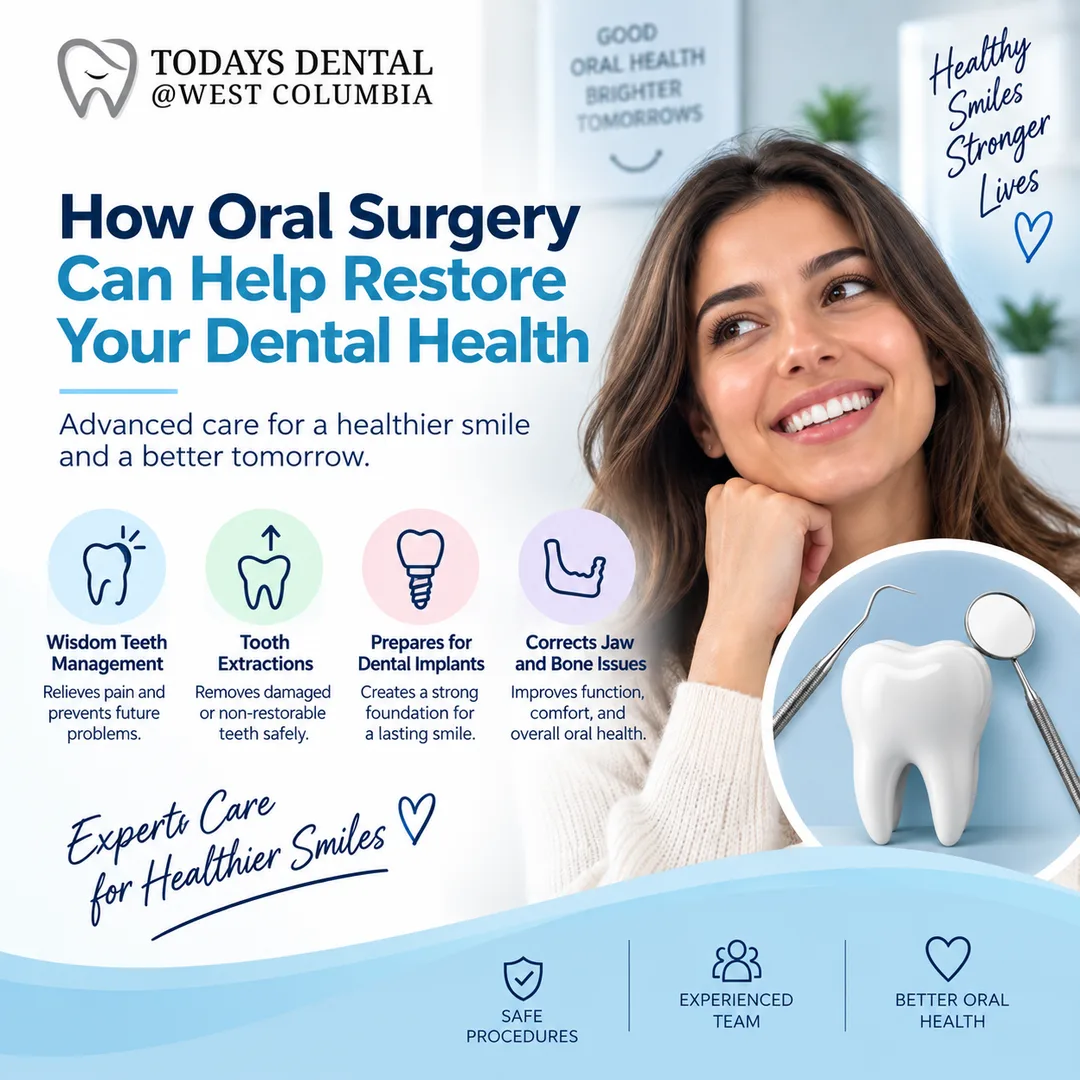
Many people feel pain or have trouble chewing. They worry about missing teeth, infections, or jaw pain. They search for ways to restore dental health with real treatment.
One key fact is that oral surgery can remove infection and restore function. It can include tooth extraction, dental implants, bone grafting, jaw alignment surgery, and gum treatments.
Oral surgery offers various options that can significantly improve dental health. Many procedures directly address issues like pain, infection, or missing teeth, helping patients regain a healthy smile.
Tooth extractions play a vital role in restoring dental health. Patients often face pain and difficulty due to damaged or impacted teeth. Removing these problematic teeth can provide immediate relief from discomfort and infections.
Surgeons perform this procedure to eliminate pain symptoms associated with dental conditions. Many patients experience improved oral function after tooth extraction. By eliminating infected teeth, surgical intervention prevents further complications that could affect overall health.
The removal of these teeth also allows for future treatments, such as dental implants, which help restore chewing ability and improve speech clarity. Pain relief is just one benefit of extracting damaged or impacted teeth; it can result in better gum health and enhanced oral hygiene too.
Dental implants provide a solid solution for people who have lost teeth. These artificial roots anchor secure replacements in the jawbone. Patients experience improved chewing ability and clearer speech after receiving dental implants. The procedure helps eliminate infection in the oral cavity, offering relief from painful conditions related to missing teeth.
Replacing missing teeth reduces issues with eating and speaking. Dental implants restore function and enhance overall appearance. They also prevent further dental damage by keeping other teeth stable.
Oral surgery plays a key role in this restoration process, addressing complex issues like bone structure and gum health effectively.
Bone grafting plays a key role in strengthening the jaw structure. This procedure involves adding bone material to areas where it is thin or missing. By doing this, surgeons can create a solid foundation for dental implants. It also helps correct deep-seated issues involving bones and gums.
Patients benefit greatly from bone grafting. The procedure allows for better chewing ability, which improves overall oral health. It can eliminate infections in the mouth as well. Restoring the jaw's strength enhances both function and appearance while addressing painful conditions effectively.
After bone grafting to strengthen jaw structure, corrective jaw surgery plays a vital role in aligning the teeth and improving function. This type of oral surgery helps fix issues with bite alignment.
It corrects deep-seated problems involving the bones, gums, and teeth. Patients often experience pain relief after this procedure. Corrective jaw surgery can also restore chewing ability and improve speech clarity for many individuals. By addressing misaligned jaws, it prevents further dental damage or complications down the line.
This surgical treatment eliminates infections too, contributing to better overall health while enhancing dental restoration efforts.
Gum surgery plays a vital role in treating advanced periodontal disease. This procedure helps eliminate infection in the oral cavity. Patients often experience significant pain relief after gum surgery. By reducing inflammation, oral health improves considerably.
Surgery can also restore proper gum function and appearance. It addresses deep-seated issues related to the gums and bone structures around teeth. Many patients find that their dental health improves significantly after this treatment.
Gum surgery can prevent further complications and enhance overall well-being by lowering inflammation levels in the body.
Oral surgery offers significant benefits for dental health. It alleviates pain and removes infections, allowing patients to enjoy life without discomfort. This type of surgery restores both function and appearance, giving individuals renewed confidence in their smiles. Moreover, it helps prevent future dental issues by addressing underlying problems early on.
Oral surgery provides significant relief from pain and infections. Tooth extractions remove infected teeth, eliminating harmful bacteria from the mouth. This process reduces discomfort and allows for quicker healing.
Surgical procedures like gum surgery treat advanced periodontal disease, which can lower inflammation levels in the body. By addressing these issues directly, patients often experience a notable reduction in pain.
Many people notice improvement in their quality of life after oral surgery. Dental implants restore chewing ability and enhance speech clarity for those with missing teeth. Corrective jaw surgeries help align the jaw properly and alleviate associated pain symptoms.
These treatments are vital steps toward better dental health, leading to increased comfort during everyday activities such as eating or speaking.
The relief from pain and infections leads to a vital next step: restoration of dental function and appearance. Oral surgery plays a key role in this process. Tooth extractions can remove problematic teeth, which helps improve chewing ability. Dental implants provide strong replacements for missing teeth, making it easier to enjoy meals and speak clearly.
Corrective jaw surgery aligns the jaw properly, enhancing both function and aesthetics. Patients benefit from improved speech clarity after these procedures. Restoring dental health not only resolves issues but also enhances self-confidence by giving individuals an attractive smile once again.
These surgical procedures significantly impact overall oral rehabilitation, allowing patients to thrive in their daily lives.
Oral surgery plays a vital role in preventing future dental complications. By extracting infected teeth, patients can avoid further issues that may arise from untreated infections. Corrective jaw surgery improves alignment and function, which helps maintain oral health over time.
Treating severe periodontal disease reduces inflammation levels in the body; this contributes to overall health improvement. Dental implants restore chewing ability and enhance speech clarity, thus reducing the likelihood of additional dental problems down the road.
Oral surgery addresses deep-seated issues involving bones, gums, and teeth to promote long-term wellness in dental care.
Oral surgery, or Mouth Surgery, uses surgical procedures and other procedures to fix dental health and protect oral health. It treats hard and soft tissue problems.
They do extraction and tooth extraction. They place dental implants. They treat jaw alignment and do periodontal treatment.
Surgeons do infection removal and follow up with treatment to stop the problem. This brings pain relief and helps restore function.
Yes. Reconstructive surgery and dental restoration restore function and improve appearance. Oral rehabilitation guides the full recovery.
Your dentist may suggest surgery or extra procedures when pain, infection, or a bad tooth blocks healing. They may advise extraction, dental implants, or reconstructive steps to restore dental health.
Tell us a little about what you need — we'll be in touch shortly.
115 Medical Cir, West Columbia, SC 29169, USA

Hi! I'm Tooth fairy! Your AI Assistant Ask me anything